

The mechanical clock made by the Chinese are reminiscent of those made by the Japanese, and are relatively more familiar to collectors and scholars. A comparison of mechanical clock made in Japan and China reveals the differences in the lifestyles of the two peoples. One of the main differences between Chinese and Japanese mechanical clock is in terms of decoration. The Japanese lifestyle allowed them to be more frugal with space, furniture and decorations, while the Chinese enjoyed more space in their homes for more furniture and therefore their decorations were more elaborate. (mechanical clock)

The basic similarity between Chinese and Japanese mechanical clock is that the craftsmen of both countries imitated the European clocks introduced into their countries by missionaries, diplomats and merchants. The Japanese were very skilled at imitating European mechanical clock from the beginning, and they quickly adapted the various features of these clocks to suit their own needs and their own lifestyles. As time went on, they began to exercise their creativity and the Japanese mechanical clock became a special type of their own, with a separate national style, although having some relation to the European forms, which after all originated in Europe.

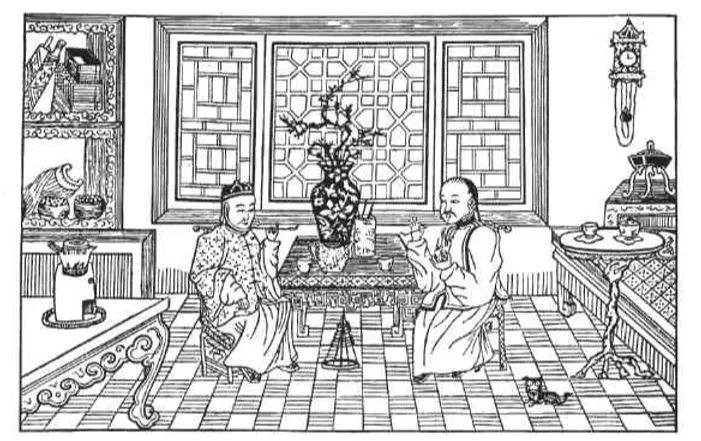
The Chinese also began to imitate the European clocks brought to China by the missionaries. As in Japan, the Catholic missionaries organized mechanical clock manufacturing workshops throughout China, which functioned as both a technical school of horology and a clock factory. The difference is that the Chinese seem to have been content to simply imitate European styles without making any changes or innovations. The shape and decoration of themechanical clock body became very Chinese in character, as evidenced by a 19th century drawing of a Chinese interior by Mgr. A. Favier, here copied from Prof. Alfred Chapuis' recently published DE HOROLOGIIS IN ARTE.mechanical clock

However, the movements of Chinese mechanical clock are still the same and are at best poor replicas of some European mechanical clock. Ample evidence of this fact can be found in the samples of Chinese mechanical clock in American collections. Most of these movements are replicas of British or French designs, including assembly parts produced and imported from these countries.
A typical example is amechanical clock from the collection of Mr. John A. Mies of Paramount, California, described by Mr. C. R. Crookshank in the November 1947 issue of THE ANTIQUER magazine. Themechanical clock case is hand-carved teak, probably from the mid-19th century. The back plate of the mechanical clock plate is hand-carved brass with an engraving of an ancient Chinese flag. The white enamel mechanical clock plate with Roman numerals for hours and Arabic numerals for minutes.

One of the most interesting features is the movement, which is set on a Chinese brass splint with a back plate bearing a turtle and teapot design engraved with an oval fluting machine. According to Mr. Crookshank, this movement was probably made in 1710 and assembled at various times. The top wheel, toothed shaft and striking mechanism appear to have been made in England, while the other components appear to have been made in France, often resembling standard parts produced for large French movements in the early 18th century. The uniform force conical wheel chain replaced the original thin cord. The balance weight is made of Chinese brass and is attached to a circular pendulum.
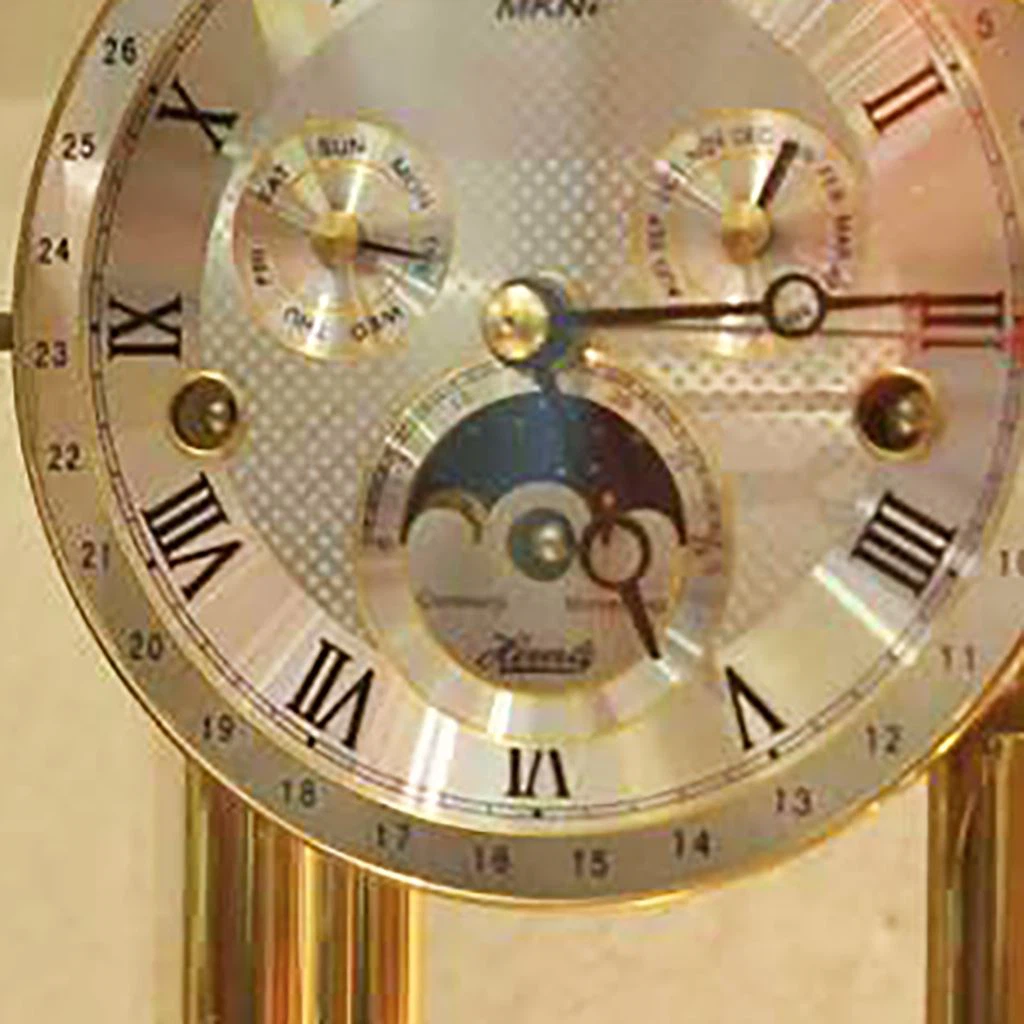
Another interesting Chinese mechanical clock described in AMERICANANTIQUE FURNITURE by the late Edgar GMiller Jr. is a modern Chinese tablemechanical clock with a black wooden base and front. The mechanical clock frame is inlaid with mother-of-pearl with sixteen motifs symbolizing good wishes and similar themes. The mechanical clock plate is marked with Roman numeral moments and is assembled on a fully hollowed out carved back plate. The openworked back plate is engraved in Chinese characters with the words "Wu Hung Ta, System", said to be the name of a Nanjing clockmaker. This movement is a replica of an English even-force conical wheel movement.
